Creating a more sustainable living environment starts with intentional improvements that reduce waste, conserve resources, and make everyday life more efficient. Many people pursue eco-friendly upgrades to lower their environmental footprint, streamline their home's functionality, and reduce long-term energy consumption. These choices are well-suited for homes of all sizes, including newer builds in Houston, where efficiency features are becoming increasingly common. With the right plan, even small changes can contribute to meaningful progress.
Improve Energy Efficiency Through Smarter Systems
Energy-efficient systems create an immediate impact by reducing consumption without requiring you to change your daily habits. Upgrading to LED lighting, for instance, significantly reduces energy use while providing high-quality illumination. Modern HVAC units also deliver greater efficiency by using programmable technology to maintain consistent temperatures throughout the home. In warm climates like Houston, efficient cooling is essential, making improved systems a practical investment.
Adding insulation in attics, crawl spaces, and exterior walls helps maintain indoor temperatures more effectively. This reduces strain on heating and cooling systems, supporting eco-friendly home tips that focus on long-term performance. Pairing insulation with high-efficiency windows ensures your home retains cool or warm air more consistently.
Adopt Smart Technology to Manage Resources
Smart thermostats, lighting controls, and energy monitors provide you with more visibility into your power usage. These devices adjust in real-time and help maintain consistent settings throughout the day. In homes with large footprints, as often seen across suburban communities, smart technology plays a key role in managing energy use room by room. Automated systems help create a balanced environment that minimizes waste and promotes sustainability.
Smart irrigation systems also support sustainable living at home by watering plants only when soil moisture and weather conditions indicate the need. This approach reduces unnecessary water use and helps outdoor areas remain healthy and low-maintenance. These upgrades offer long-term savings and fit well with eco-conscious landscaping choices that emphasize resilience and efficiency.
Choose Environmentally Conscious Materials
Selecting sustainable materials is one of the most impactful eco-friendly home tips, as these choices significantly influence durability, indoor air quality, and resource conservation. Bamboo, cork, and reclaimed wood provide stylish flooring options that regenerate quickly or reuse existing materials.
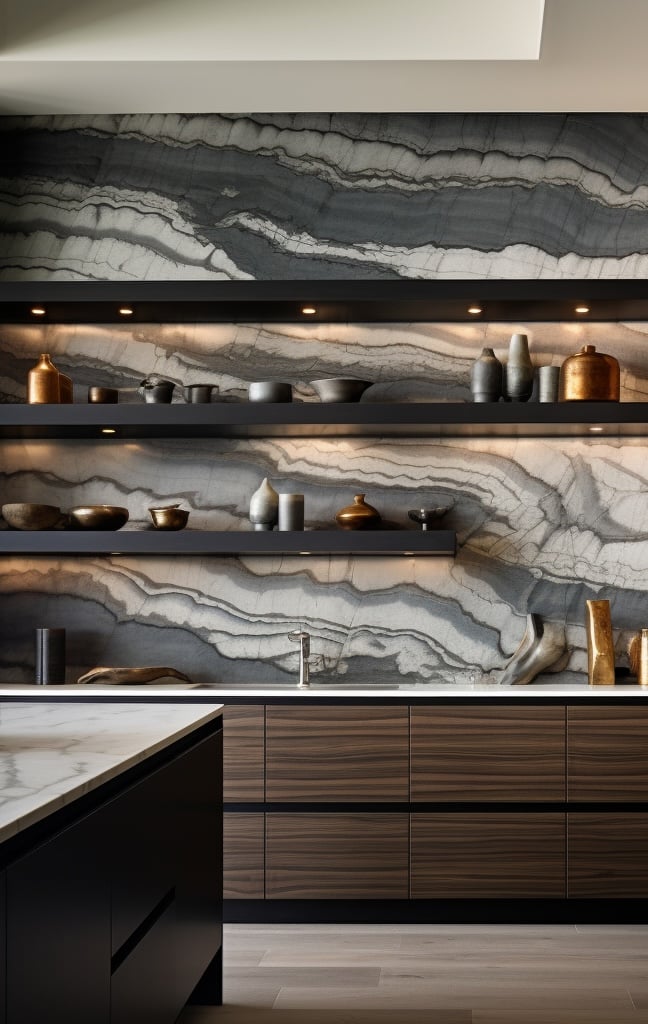
Paints and finishes with low volatile organic compounds improve indoor air quality and reduce the release of chemicals. When updating countertops or cabinetry, materials such as recycled glass, stainless steel, or responsibly sourced wood offer long-lasting performance and sustainability. These options work well in homes seeking clean, modern design while still prioritizing sustainability, a balance often seen in new Houston remodels and custom builds.
Reduce Water Consumption Indoors and Out
Water efficiency supports sustainable living at home by addressing daily habits and home infrastructure. Installing low-flow showerheads, faucets, and toilets reduces water use without compromising performance. These upgrades often deliver immediate results and integrate seamlessly into existing bathrooms and kitchens. Leak detection devices also help identify issues early, minimizing waste.
Outdoor water use can improve through drought-tolerant plants, drip irrigation, and mulched garden beds. In climates prone to long warm seasons, such as Houston, these choices help landscapes stay healthy while reducing maintenance needs. Smart irrigation controllers also support water conservation by adjusting schedules based on weather patterns and soil moisture levels.
Prioritize Waste Reduction and Reuse
Waste reduction begins with mindful purchasing and extends to how you repurpose items around the home. Donating or selling unused furniture and décor keeps items in circulation longer. Repurposing materials (such as turning old shelving into storage bins or reusing wood for garden projects) aligns with eco-friendly home tips because it reduces the need for new materials.
Composting food scraps and yard waste also minimizes the amount that ends up in landfills, while creating nutrient-rich material for gardens. Storage containers made from glass, stainless steel, or durable ceramics last longer than single-use plastics and support organized, low-waste kitchens.
Invest in Renewable Energy Where Possible
Solar energy is a powerful tool for homeowners seeking greater independence from traditional power sources. Rooftop systems capture sunlight and convert it into electricity, reducing reliance on the grid. In regions with abundant sunlight exposure, including much of Texas, solar panels consistently deliver strong performance throughout the year. Battery storage options increase this reliability by storing excess energy for nighttime use.
Small-scale renewable additions, such as solar-powered outdoor lighting or water heaters, also make a meaningful difference. These systems require minimal maintenance and gradually lower energy demand. Including renewable components in long-term planning ensures you can expand these efforts as your home’s needs evolve, contributing to a more resilient and eco-conscious household.
Create Healthy Indoor Environments
Indoor air quality plays a significant role in sustainable living at home, as it impacts the overall comfort and efficiency of your home. Air purifiers remove dust, pollen, and other particles, helping maintain clean air. Regular maintenance of HVAC filters also supports cleaner airflow. Choosing furnishings made from natural materials reduces off-gassing and maintains a healthier indoor environment.
Houseplants not only support air quality but also contribute to a welcoming atmosphere. Species like snake plants, pothos, and peace lilies require minimal care and thrive in different conditions. Placing them in living rooms, kitchens, or home offices adds greenery while reinforcing your home’s focus on health and sustainability.
Support Eco-Friendly Outdoor Living
Outdoor spaces offer many opportunities for greener practices. Selecting native plants reduces water usage and helps landscapes flourish naturally. Hardscaping with permeable materials, such as gravel or porous pavers, enhances drainage and minimizes runoff during heavy rainfall.
Creating shade through pergolas or strategically placed trees helps maintain cooler temperatures on patios and reduces the heat absorbed by your home. In warm regions like Houston, this can significantly lower energy demands. Rain barrels also capture runoff from roofs and provide water for gardens, supporting a more sustainable approach to landscape maintenance.
Consult with TXRE Group in Houston
A more eco-friendly home develops through intentional steps that support long-term environmental responsibility. Each improvement strengthens your home's efficiency and comfort. For guidance on sustainable upgrades and property planning, TXRE Group can help you move toward a home that reflects your values and supports a greener future.