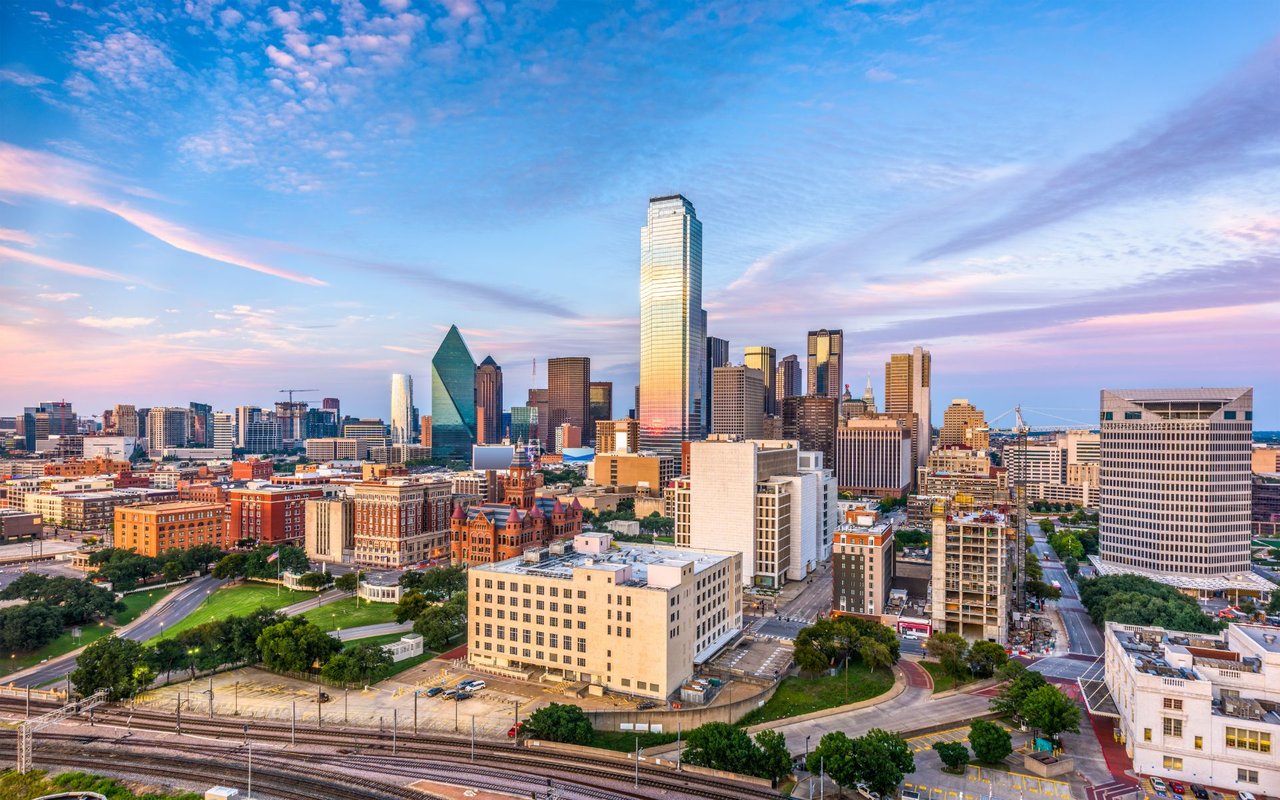
Dallas Real Estate Listings & Neighborhood Insights
Access to public transportation and major highways.
Moving to a major metro like Dallas involves more than just picking a floor plan. We’ve answered the top questions about local taxes, transit, and lifestyle to help you navigate the unique nuances of the North Texas market and make an informed relocation decision.
1. Is Dallas a walkable city?
While Dallas is largely car-dependent, certain pockets offer exceptional walkability. Uptown, Deep Ellum, and the Downtown Historic District are highly walkable, featuring the McKinney Avenue Trolley and easy access to the Katy Trail, a 3.5-mile popular urban path for jogging and cycling.
2. How do property taxes work in Dallas?
Texas has no state income tax, so public services are funded through property taxes. In Dallas, your tax bill typically includes levies from the City of Dallas, Dallas County, and your specific School District (ISD). Homeowners can often lower their tax burden by filing for a Homestead Exemption on their primary residence.
3. What are the major industries and employers in Dallas?
Dallas is a global hub for technology, telecommunications, and financial services. Major employers include AT&T, Southwest Airlines, Texas Instruments, and Goldman Sachs. The region is also home to the "Telecom Corridor," which hosts a dense concentration of high-tech firms.
4. What is the public transportation system (DART) like?
The Dallas Area Rapid Transit (DART) is the longest light rail system in the U.S. It connects the suburbs to Downtown and provides a direct link to DFW International Airport via the Orange Line. The 2025 expansion of the Silver Line will further connect the northern suburbs to the airport.
5. Which school district will my child attend?
While much of the city is served by Dallas ISD, the city’s boundaries are complex. Depending on your neighborhood, you may fall into highly sought-after neighboring districts like Highland Park ISD, Richardson ISD, or Plano ISD. Always verify the specific attendance zone for a property before purchasing.
6. What is the "Highland Park" area I keep hearing about?
Highland Park and University Park (collectively known as the Park Cities) are independent enclaves completely surrounded by the city of Dallas. They are famous for having their own police departments, elite public schools, and some of the most prestigious real estate in the country.
7. How does the cost of living in Dallas compare to other major cities?
Dallas is generally more affordable than coastal hubs like New York or San Francisco. While housing prices have risen, they remain competitive. Additionally, the lack of state income tax provides significant "take-home" pay advantages for residents.
8. Does it really get that hot in the summer?
Dallas experiences a humid subtropical climate. Summers (July and August) frequently see temperatures exceeding 100°F. However, residents enjoy mild winters and a beautiful spring wildflower season. Most modern homes and businesses are equipped with high-efficiency HVAC systems to manage the heat.
9. What is there to do for outdoor recreation?
Despite its urban sprawl, Dallas offers massive green spaces. White Rock Lake is a centerpiece for sailing and rowing, while the Dallas Arboretum and Botanical Garden is nationally ranked. For hikers, the Trinity River Audubon Center provides miles of trails through a unique hardwood forest.
10. What are the best neighborhoods for nightlife and dining?
For a high-energy scene, Lower Greenville and Knox-Henderson offer trendy bars and chef-driven restaurants. If you prefer a more artsy, boutique vibe, the Bishop Arts District in North Oak Cliff is famous for its independent shops and "hidden gem" eateries.
1,299,550 people live in Dallas, where the median age is 33.4 and the average individual income is $44,138. Data provided by the U.S. Census Bureau.
Total Population
Median Age
Population Density
Average individual Income
There's plenty to do around Dallas, including shopping, dining, nightlife, parks, and more. Data provided by Walk Score and Yelp.
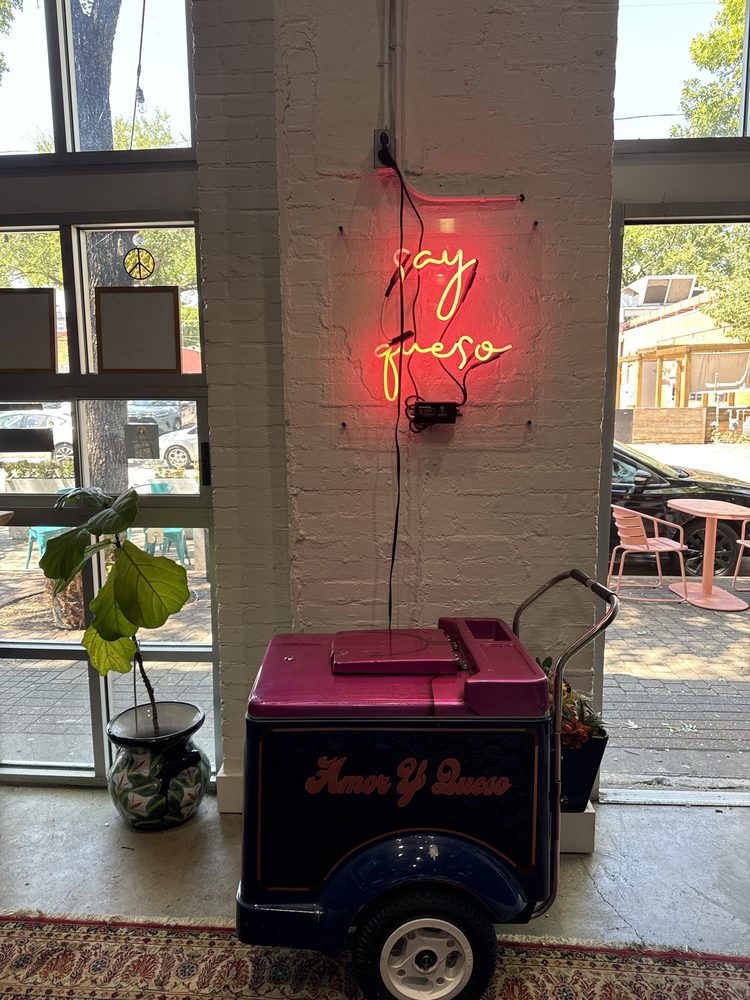
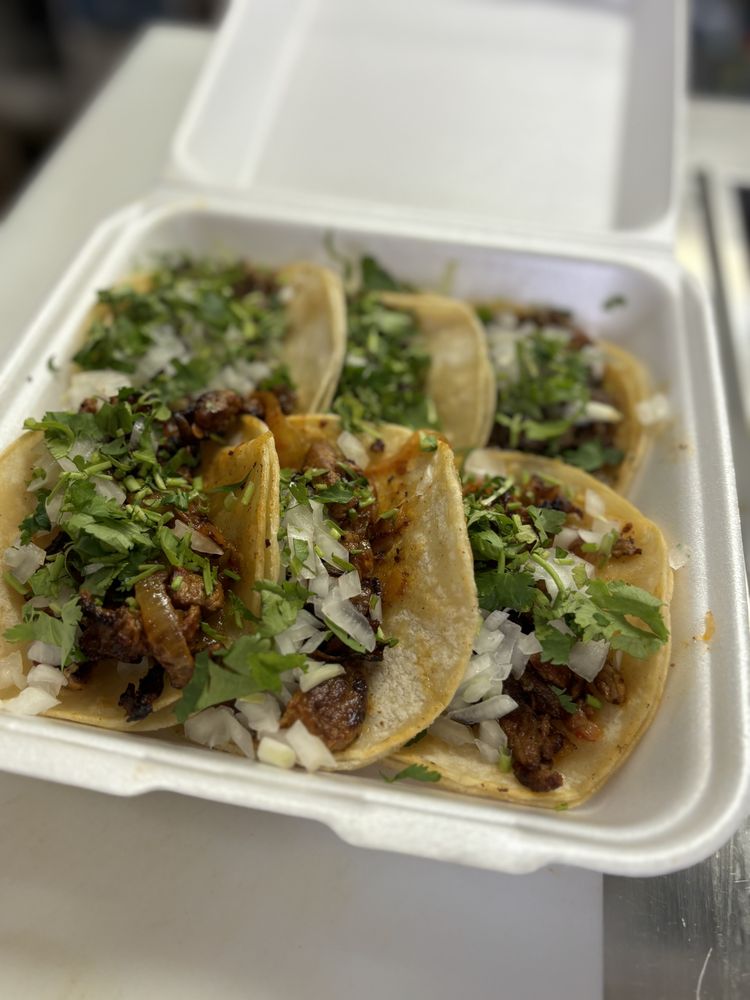
Explore popular things to do in the area, including Amor y Queso, Alex Tacos To Go, and Don's Foods.
| Name | Category | Distance | Reviews |
Ratings by
Yelp
|
|---|---|---|---|---|
| Dining | 1.05 miles | 19 reviews | 5/5 stars | |
| Dining | 0.47 miles | 6 reviews | 5/5 stars | |
| Dining | 0.54 miles | 8 reviews | 5/5 stars | |
| Dining | 0.6 miles | 5 reviews | 5/5 stars | |
| Dining | 3.85 miles | 72 reviews | 4.9/5 stars | |
| Shopping | 1.03 miles | 6 reviews | 5/5 stars | |
| Nightlife | 1.16 miles | 5 reviews | 5/5 stars | |
| Beauty | 2.42 miles | 8 reviews | 5/5 stars | |
| Beauty | 0.96 miles | 13 reviews | 5/5 stars | |
| Beauty | 0.96 miles | 8 reviews | 5/5 stars | |
| Beauty | 0.79 miles | 13 reviews | 5/5 stars | |
| Beauty | 0.72 miles | 6 reviews | 5/5 stars | |
| Beauty | 1.05 miles | 5 reviews | 5/5 stars | |
| Beauty | 3.03 miles | 7 reviews | 5/5 stars | |
| Beauty | 2.05 miles | 22 reviews | 5/5 stars | |
| Beauty | 0.28 miles | 5 reviews | 5/5 stars | |
| Beauty | 1.5 miles | 10 reviews | 5/5 stars | |
| Beauty | 1.06 miles | 8 reviews | 5/5 stars | |
| Beauty | 2.63 miles | 8 reviews | 5/5 stars | |
| Beauty | 1.37 miles | 39 reviews | 5/5 stars | |
| Beauty | 0.99 miles | 176 reviews | 4.9/5 stars | |
| Beauty | 1.77 miles | 17 reviews | 4.9/5 stars | |
| Beauty | 1.45 miles | 33 reviews | 4.9/5 stars | |
|
|
||||
|
|
||||
|
|
||||
|
|
||||
|
|
||||
|
|
Dallas has 528,038 households, with an average household size of 2.43. Data provided by the U.S. Census Bureau. Here’s what the people living in Dallas do for work — and how long it takes them to get there. Data provided by the U.S. Census Bureau. 1,299,550 people call Dallas home. The population density is 3,826.67 and the largest age group is Data provided by the U.S. Census Bureau.
Total Population
Population Density Population Density This is the number of people per square mile in a neighborhood.
Median Age
Men vs Women
Population by Age Group
0-9 Years
10-17 Years
18-24 Years
25-64 Years
65-74 Years
75+ Years
Education Level
Total Households
Average Household Size
Average individual Income
Households with Children
With Children:
Without Children:
Blue vs White Collar Workers
Blue Collar:
White Collar:
9000 Six Pines Dr # 135 Shenandoah TX 77380 511 E John Carpenter Freeway Suite 500 Irving TX 75062
9000 Six Pines Dr # 135 Shenandoah TX 77380 511 E John Carpenter Freeway Suite 500 Irving TX 75062