Explore Houston Real Estate & Neighborhoods
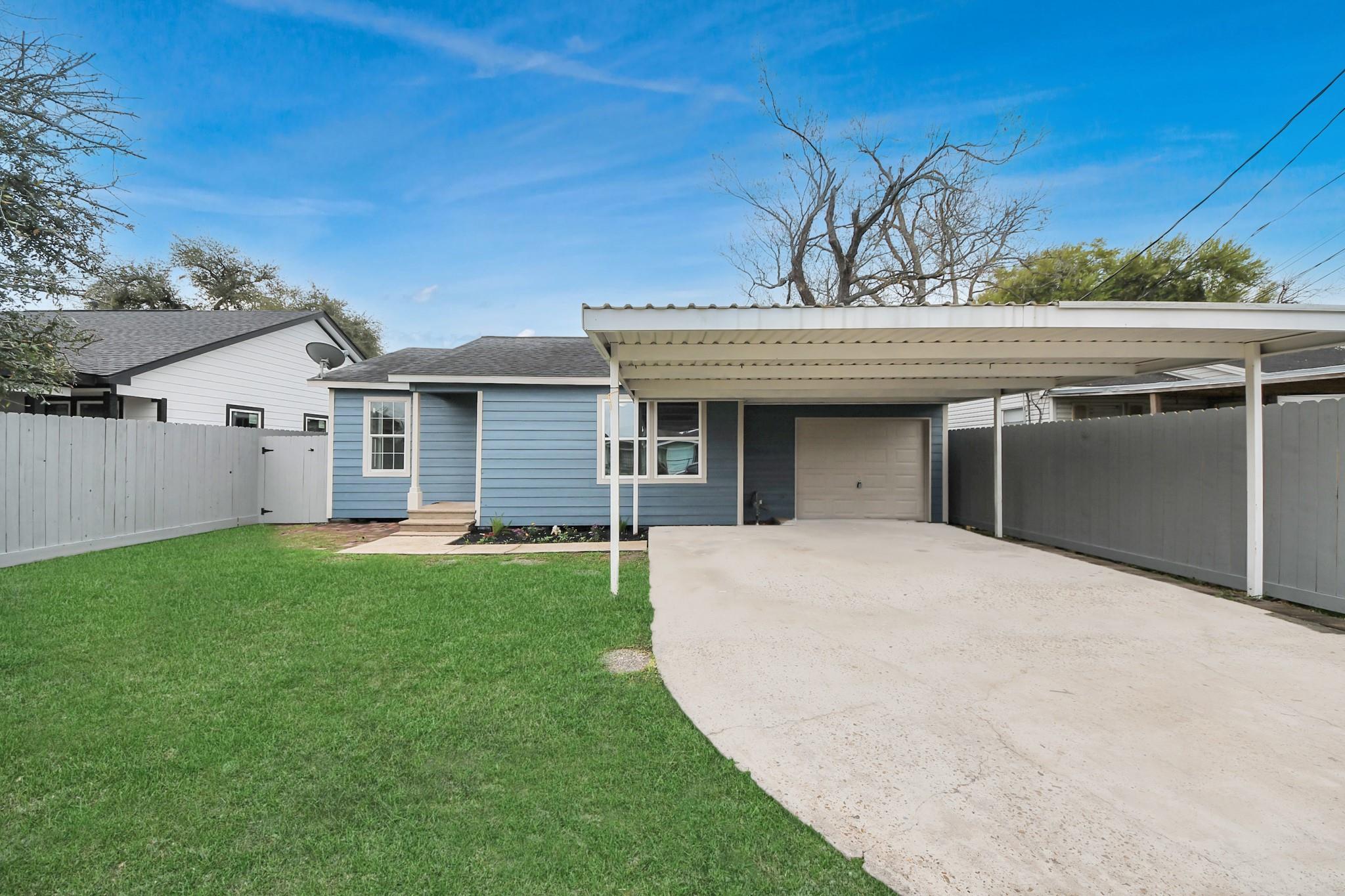
Variety of housing options to fit different lifestyles and budgets.
These FAQs are designed to provide additional insights into the Houston lifestyle, climate, and logistics for prospective residents and investors beyond basic demographic data.
1. What is the "Energy Corridor" and how does it impact the local economy?
The Energy Corridor is a major business district in West Houston that serves as the headquarters for many of the world’s largest energy companies. Because Houston is known as the "Energy Capital of the World," the local economy and job market are heavily influenced by the oil and gas industry, though healthcare (Texas Medical Center) and aerospace (NASA) provide significant diversification.
2. How does the "Loop" system work for navigating the city?
Houston is organized by concentric highway loops. Interstate 610 (The Inner Loop) defines the city's core; living "Inside the Loop" generally means shorter commutes to Downtown and higher property values. Beltway 8 (The Outer Loop) and the Grand Parkway (99) define the suburban rings, offering more expansive residential options and master-planned communities.
3. What is the climate like, and how should residents prepare for it?
Houston has a humid subtropical climate. Summers are consistently hot and humid, with temperatures often exceeding 90°F. Residents should be prepared for an active hurricane season (June–November) by having a flood insurance policy, as the city’s flat topography and proximity to the Gulf of Mexico make drainage a critical local topic.
4. Does Houston have zoning laws?
Uniquely among major U.S. cities, Houston does not have formal zoning ordinances. This results in a highly varied urban landscape where a skyscraper might sit next to a residential bungalow. However, land use is often governed by deed restrictions and "Chapter 42" of the city code, which regulates things like building setbacks and lot sizes.
5. What is the Texas Medical Center (TMC)?
Located just south of Museum District, the TMC is the largest medical complex in the world. It is a massive employment hub with over 100,000 employees. For residents, this means access to world-class healthcare and specialized research facilities right within the city limits.
6. How is the public school system structured?
While the Houston Independent School District (HISD) is the largest, the Houston area is actually served by over a dozen different school districts depending on your specific address (such as Katy ISD, Cypress-Fairbanks ISD, or Clear Creek ISD). Many families also take advantage of Houston's extensive Magnet School program, which allows students to apply to schools with specialized curricula.
7. What are the best options for outdoor recreation in the city?
Despite its urban density, Houston offers massive green spaces. Buffalo Bayou Park features miles of trails and skyline views, Memorial Park is one of the largest urban parks in the U.S. (larger than Central Park), and Hermann Park houses the zoo and outdoor theater.
8. Is a car necessary to live in Houston?
While Houston's METRORail serves the Downtown, Midtown, and Medical Center areas effectively, the city is largely car-dependent due to its massive geographic footprint. Most residents find a vehicle necessary for daily commuting and errands, though "Very Walkable" pockets like Montrose and the Heights are exceptions.
9. What is the "Underground Tunnel System" in Downtown?
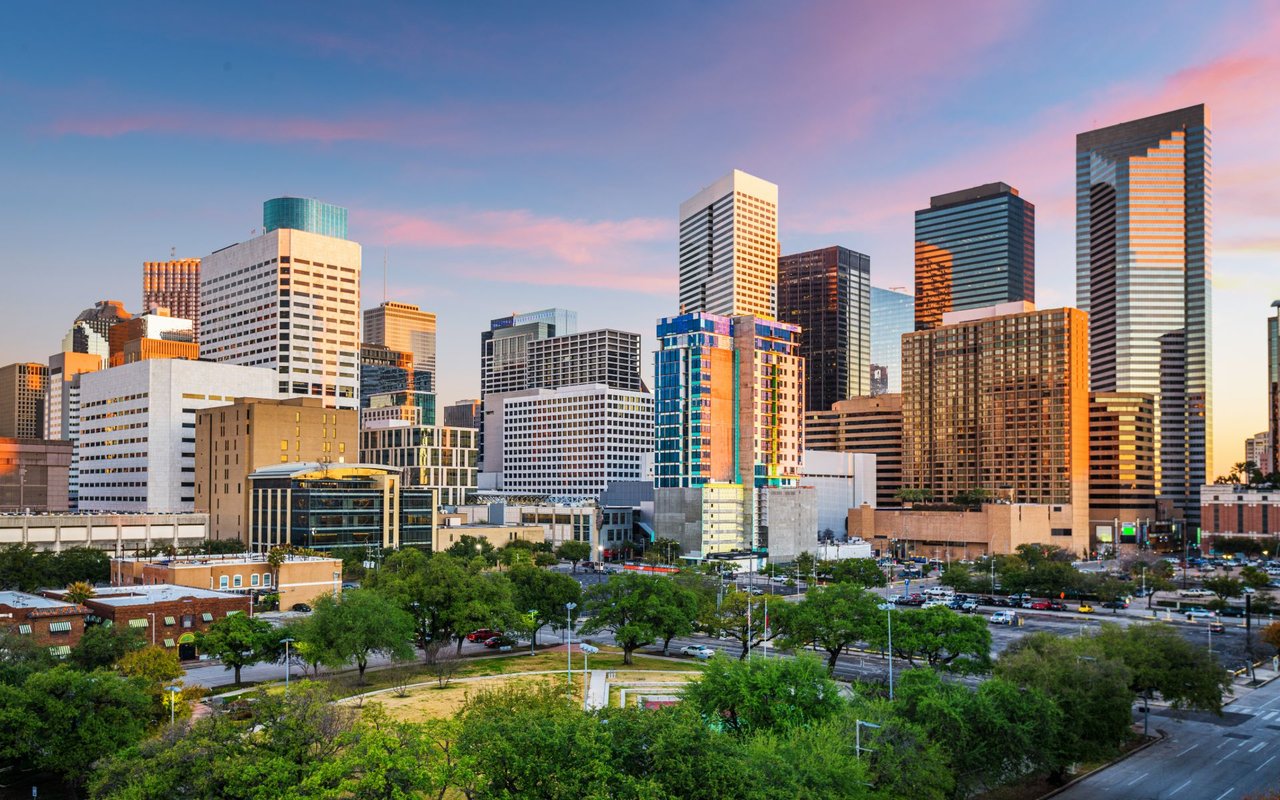
To combat the summer heat, Downtown Houston features a 6-mile subterranean tunnel system. It connects 95 city blocks and is filled with restaurants, shops, and services, allowing office workers and visitors to navigate the city center in a climate-controlled environment during business hours.
10. How diverse is the culinary and cultural scene?
Houston is frequently cited as the most diverse city in the United States. This is reflected in its food scene, which features world-renowned Tex-Mex, Vietnamese-Cajun fusion, and authentic cuisines from every continent. The city also boasts a dedicated Museum District with 19 institutions within walking distance of each other.
2,300,420 people live in Houston, where the median age is 34.3 and the average individual income is $41,142. Data provided by the U.S. Census Bureau.
Total Population
Median Age
Population Density
Average individual Income
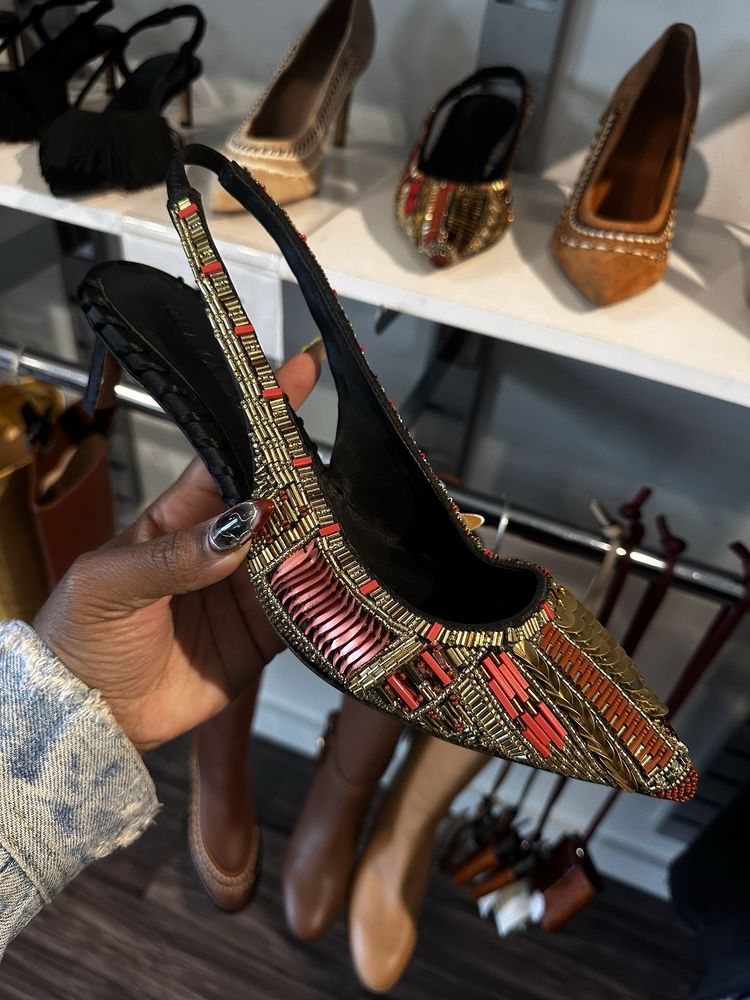
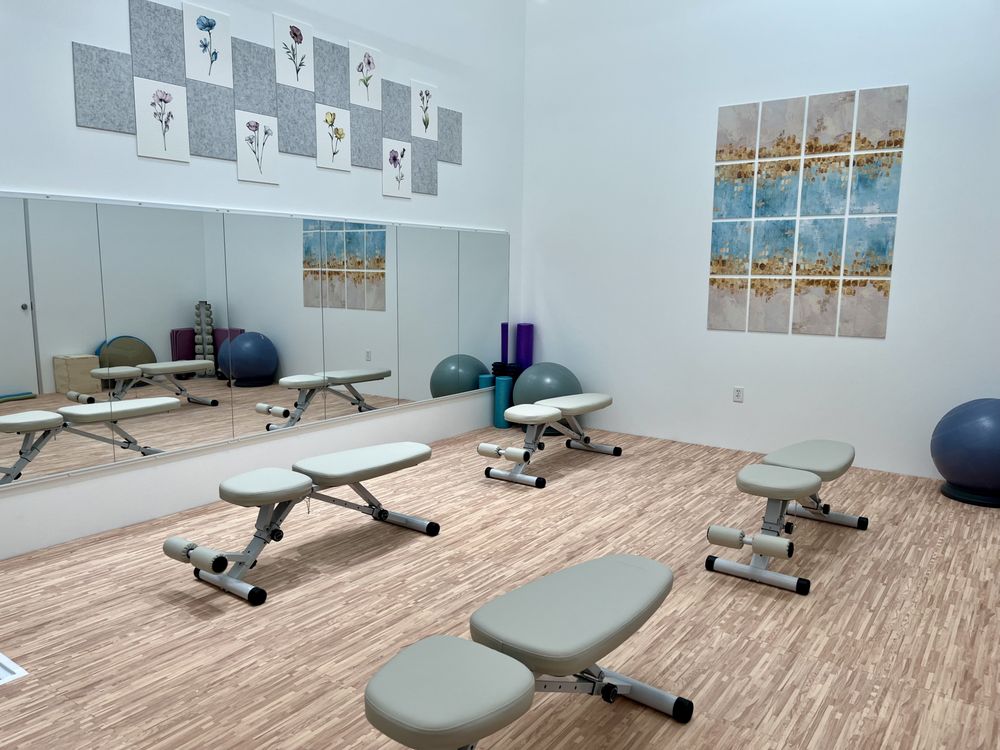
There's plenty to do around Houston, including shopping, dining, nightlife, parks, and more. Data provided by Walk Score and Yelp.
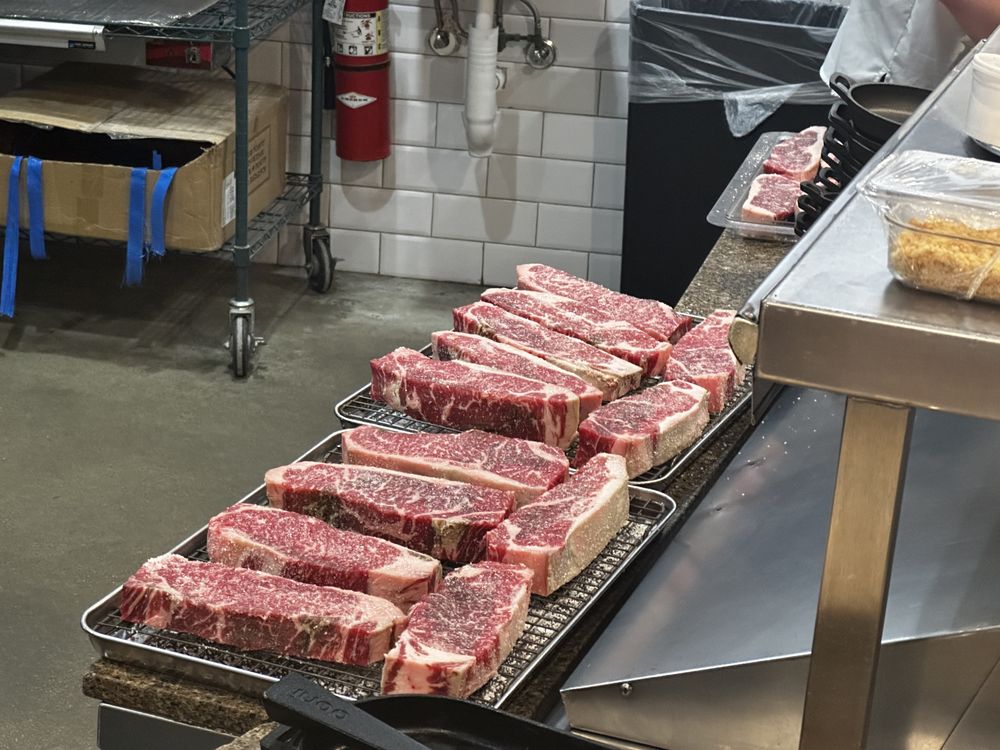
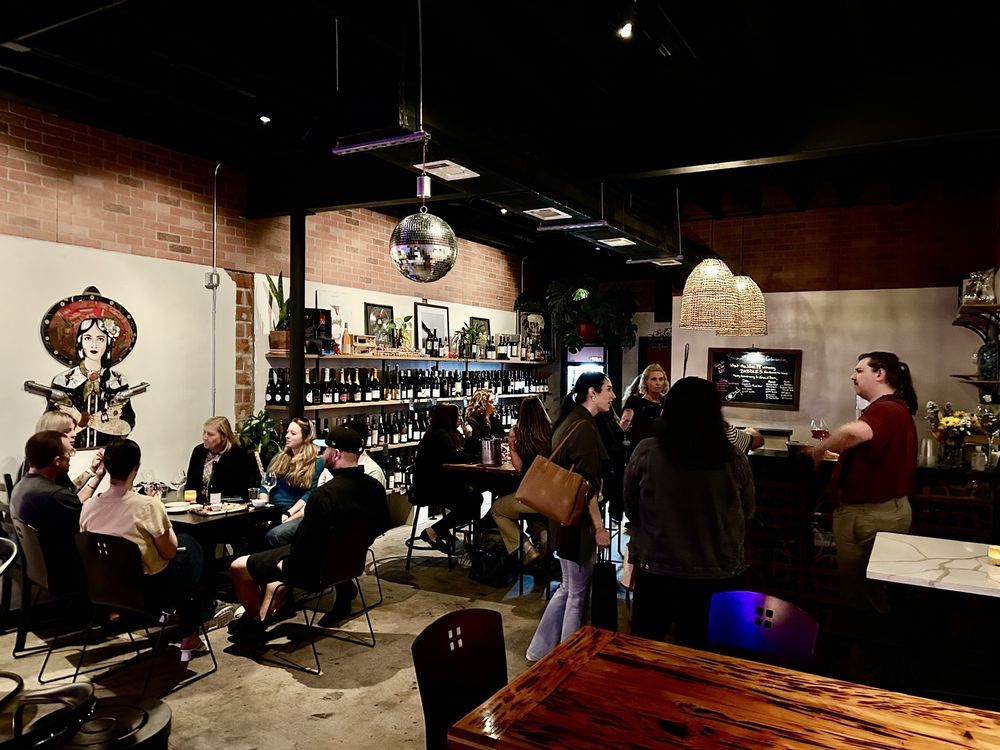
Explore popular things to do in the area, including Bayou Butchers, everywine, and Reata Cellars.
| Name | Category | Distance | Reviews |
Ratings by
Yelp
|
|---|---|---|---|---|
| Dining | 1.17 miles | 5 reviews | 5/5 stars | |
| Dining | 0.63 miles | 19 reviews | 5/5 stars | |
| Dining | 1.67 miles | 14 reviews | 5/5 stars | |
| Shopping | 2.53 miles | 5 reviews | 5/5 stars | |
| Shopping | 2.56 miles | 7 reviews | 5/5 stars | |
| Shopping | 0.59 miles | 5 reviews | 5/5 stars | |
| Active | 1.11 miles | 6 reviews | 5/5 stars | |
| Active | 0.6 miles | 5 reviews | 5/5 stars | |
| Active | 3.46 miles | 35 reviews | 5/5 stars | |
| Active | 2.39 miles | 18 reviews | 5/5 stars | |
| Active | 1.29 miles | 18 reviews | 5/5 stars | |
| Beauty | 2.9 miles | 28 reviews | 5/5 stars | |
| Beauty | 1.75 miles | 48 reviews | 5/5 stars | |
| Beauty | 0.57 miles | 12 reviews | 5/5 stars | |
| Beauty | 0.77 miles | 21 reviews | 5/5 stars | |
| Beauty | 2.03 miles | 9 reviews | 5/5 stars | |
| Beauty | 2.06 miles | 10 reviews | 5/5 stars | |
| Beauty | 1.1 miles | 12 reviews | 5/5 stars | |
| Beauty | 1.17 miles | 9 reviews | 5/5 stars | |
| Beauty | 3.52 miles | 7 reviews | 5/5 stars | |
| Beauty | 3.45 miles | 16 reviews | 5/5 stars | |
| Beauty | 1.7 miles | 6 reviews | 5/5 stars | |
| Beauty | 1.42 miles | 19 reviews | 5/5 stars | |
|
|
||||
|
|
||||
|
|
||||
|
|
||||
|
|
||||
|
|
Houston has 916,536 households, with an average household size of 2.47. Data provided by the U.S. Census Bureau. Here’s what the people living in Houston do for work — and how long it takes them to get there. Data provided by the U.S. Census Bureau. 2,300,420 people call Houston home. The population density is 3,591.97 and the largest age group is Data provided by the U.S. Census Bureau.
Total Population
Population Density Population Density This is the number of people per square mile in a neighborhood.
Median Age
Men vs Women
Population by Age Group
0-9 Years
10-17 Years
18-24 Years
25-64 Years
65-74 Years
75+ Years
Education Level
Total Households
Average Household Size
Average individual Income
Households with Children
With Children:
Without Children:
Blue vs White Collar Workers
Blue Collar:
White Collar:
9000 Six Pines Dr # 135 Shenandoah TX 77380 511 E John Carpenter Freeway Suite 500 Irving TX 75062
9000 Six Pines Dr # 135 Shenandoah TX 77380 511 E John Carpenter Freeway Suite 500 Irving TX 75062