Discover Spring, TX Real Estate Opportunities
Safe and friendly community and close to shopping and dining options.
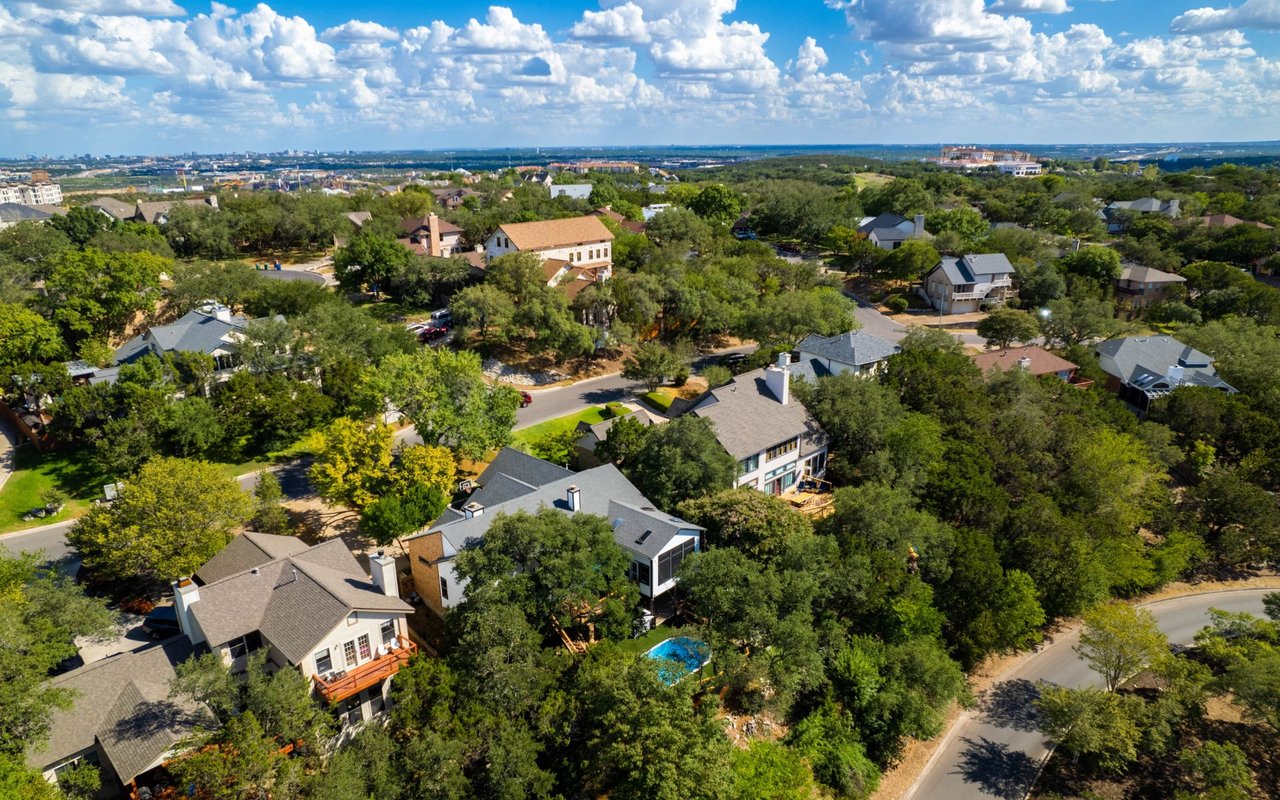
Spring, Texas, located just 25 miles north of Houston, is a thriving community known for its blend of historic charm and modern suburban convenience. Home to the world-class ExxonMobil campus and the iconic Old Town Spring shopping district, this area offers diverse real estate options from master-planned communities to quiet residential enclaves. Below are the most frequently asked questions for those considering moving to or investing in the Spring area.
1. What are the primary school districts serving Spring, TX?
Spring is primarily served by the Spring ISD, Klein ISD, and Conroe ISD. Homebuyers often choose specific neighborhoods based on these boundaries; Conroe ISD typically serves the northern sections, while Klein ISD covers the western side. All three districts offer diverse educational programs and competitive athletics.
2. How far is the commute from Spring, TX to Downtown Houston?
The commute from Spring to Downtown Houston is approximately 20 to 25 miles, typically taking 30 to 45 minutes via I-45 or the Hardy Toll Road. For those preferring public transit, the METRO Spring Park & Ride offers a reliable express bus service directly into the city's central business district.
3. What is the significance of the ExxonMobil Houston Campus in Spring?
The ExxonMobil Houston Campus is a massive 385-acre facility located just south of The Woodlands in the Spring area. As one of the region's largest employers, it has significantly driven local real estate demand, spurred the development of luxury apartments, and increased the number of high-end dining and retail options nearby.
4. Is Spring, TX considered a walkable community?
Spring has a Walk Score of 24, categorizing it as a car-dependent area. While most errands require a vehicle, specific pockets like Old Town Spring offer high walkability for shopping and dining. For outdoor recreation, the Spring Creek Greenway provides extensive pedestrian and bike-friendly trails.
5. What are the main attractions in Old Town Spring?
Old Town Spring is a historic 19th-century railroad hub featuring over 150 family-owned boutiques, art galleries, and restaurants. Key attractions include the annual Texas Crawfish Festival, unique antique shops, and local favorites like T & L Food Mart, making it a premier destination for weekend tourism.
6. What are the property tax rates and MUD taxes in Spring, TX?
Property taxes in Spring generally range from 2.5% to 3.5%, depending on the specific Municipal Utility District (MUD) and school district. MUD taxes fund local water, sewer, and drainage infrastructure. These rates often decrease as the district matures and pays down its initial construction debt.
7. What are the demographics and median income in Spring, TX?
Spring, TX has a population of approximately 67,103 with a median age of 33.6 years. The average individual income is roughly $34,178. The community is characterized by a high population density and a large workforce age group (25–64), reflecting a robust local economy.
8. Which parks and outdoor spaces are located in Spring, TX?
Spring offers premier outdoor spaces including the Mercer Botanic Gardens, a 400-acre site with tropical gardens and hiking trails. Other notable parks include Meyer Park, featuring fishing lakes and sports fields, and the Spring Creek Greenway, which is the longest connected forest corridor in the nation.
9. What shopping and dining options are available in Spring, TX?
Residents have access to a mix of local boutiques in Old Town Spring and major retailers along Aldine Westfield Road. Popular local spots include Crownz and Tresses Beauty Lab and various dining options. For upscale shopping, The Woodlands Mall and Market Street are located just a few miles north.
10. Is Spring, TX located in a high-risk flood zone?
While many parts of Spring are at low risk, areas near Cypress Creek and Spring Creek may be located within FEMA-designated floodplains. Buyers should always verify the specific Flood Insurance Rate Map (FIRM) for a property and review its elevation certificate during the home-buying process.
67,103 people live in Spring, where the median age is 33.6 and the average individual income is $34,178. Data provided by the U.S. Census Bureau.
Total Population
Median Age
Population Density
Average individual Income
There's plenty to do around Spring, including shopping, dining, nightlife, parks, and more. Data provided by Walk Score and Yelp.
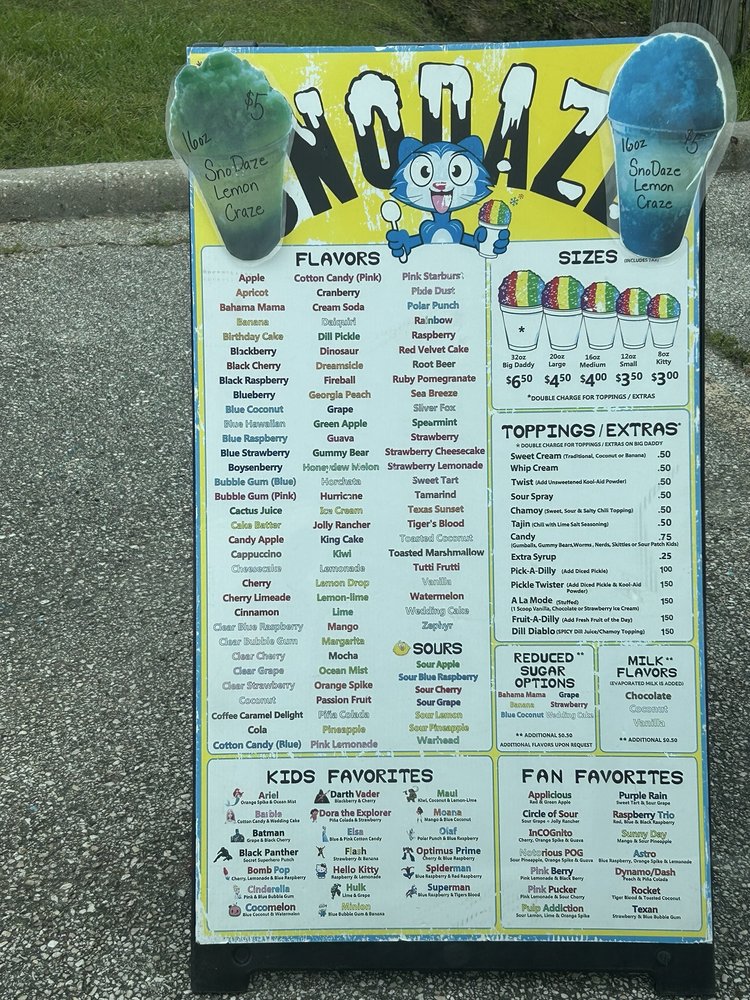
Explore popular things to do in the area, including Ryan's Liquor, snowdaze, and TF Supplements Spring Nutrition Superstore.
| Name | Category | Distance | Reviews |
Ratings by
Yelp
|
|---|---|---|---|---|
| Dining · $$ | 3.21 miles | 10 reviews | 5/5 stars | |
| Dining | 0.99 miles | 5 reviews | 5/5 stars | |
| Dining · $ | 3.08 miles | 9 reviews | 5/5 stars | |
| Dining · $$ | 2.42 miles | 13 reviews | 5/5 stars | |
| Shopping | 2.57 miles | 7 reviews | 5/5 stars | |
| Beauty | 2.48 miles | 29 reviews | 5/5 stars | |
| Beauty | 2.48 miles | 5 reviews | 5/5 stars | |
| Beauty | 3.19 miles | 5 reviews | 5/5 stars | |
|
|
||||
|
|
||||
|
|
||||
|
|
||||
|
|
||||
|
|
Spring has 21,972 households, with an average household size of 3.05. Data provided by the U.S. Census Bureau. Here’s what the people living in Spring do for work — and how long it takes them to get there. Data provided by the U.S. Census Bureau. 67,103 people call Spring home. The population density is 2,983.66 and the largest age group is Data provided by the U.S. Census Bureau.
Total Population
Population Density Population Density This is the number of people per square mile in a neighborhood.
Median Age
Men vs Women
Population by Age Group
0-9 Years
10-17 Years
18-24 Years
25-64 Years
65-74 Years
75+ Years
Education Level
Total Households
Average Household Size
Average individual Income
Households with Children
With Children:
Without Children:
Blue vs White Collar Workers
Blue Collar:
White Collar:
9000 Six Pines Dr # 135 Shenandoah TX 77380 511 E John Carpenter Freeway Suite 500 Irving TX 75062
9000 Six Pines Dr # 135 Shenandoah TX 77380 511 E John Carpenter Freeway Suite 500 Irving TX 75062